
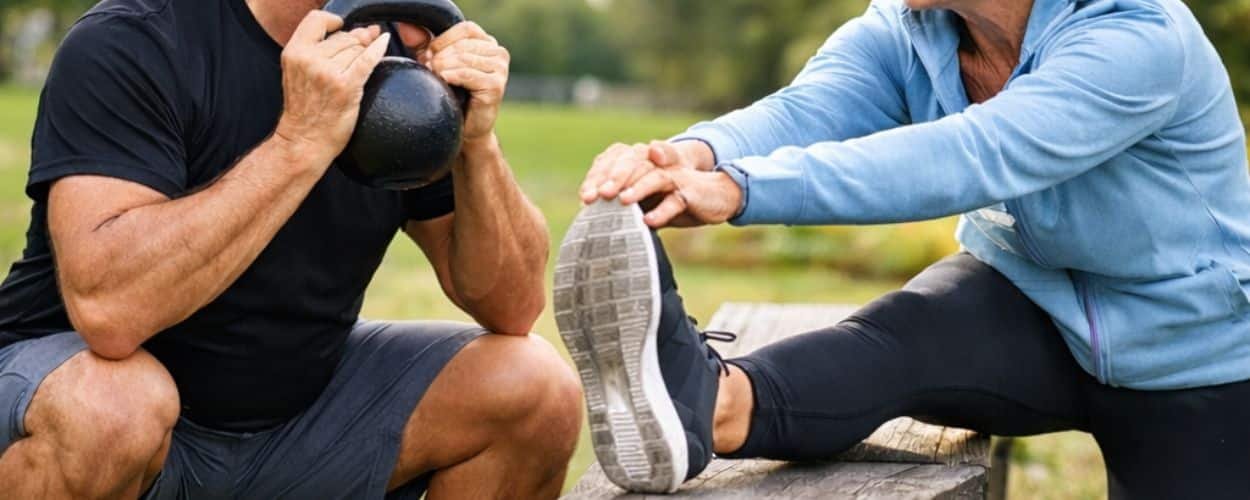
Why Strength and Mobility Matter More With Age
As we get older, fitness starts to mean something very different.
In younger years, exercise is often focused on appearance, performance, or pushing physical limits. But with age, the real value of training becomes much more practical. It becomes about staying strong, moving well, protecting your body, and maintaining confidence in everyday life. That is exactly why strength and mobility matter more with age.
They are not just useful extras. They are essential for helping you stay active, independent, and physically capable for longer.
Why Strength Matters As You Get Older
Strength is about far more than building muscle.
It supports the movements you rely on every day, from carrying shopping bags and climbing stairs to lifting, walking, standing tall, and getting up from the floor or a chair. Strength training helps your body cope better with daily demands and reduces the risk of feeling physically limited as the years go on.
As we age, muscle mass naturally declines if it is not maintained. This can lead to weakness, lower energy, poorer balance, reduced joint support, and a greater risk of injury or falls. Many people assume this decline is unavoidable, but regular strength training can make a huge difference.
Improving strength does not mean spending hours in the gym or lifting extremely heavy weights. It means keeping the body active, supported, and prepared for real life.
Why Mobility Is Just As Important
Mobility is your ability to move freely and comfortably through a full range of motion.
It affects how well you bend, reach, twist, step, squat, and rotate. Good mobility makes movement feel smoother, easier, and less restricted. It also helps improve posture, exercise technique, joint health, and overall comfort.
Many adults notice more stiffness with age, especially in the hips, shoulders, lower back, and hamstrings. Long periods of sitting, old injuries, reduced activity, and poor movement habits can all contribute to this. Over time, stiffness can become normalised, but it is often a sign that the body needs more movement and better support.
Mobility training helps restore control and freedom of movement. It can reduce tightness, improve coordination, and make everyday tasks feel less physically demanding.
Why Strength and Mobility Work Better Together
Strength and mobility are most effective when trained together.
Strength gives the body support, stability, and resilience. Mobility allows the body to move with freedom, control, and efficiency. When combined, they create a body that is more balanced, capable, and prepared for everyday movement.
For example, strong legs help you stand up, but good hip and ankle mobility help you do it comfortably. Strong shoulders help with lifting and carrying, but shoulder mobility allows you to move overhead without pain or restriction.
Without mobility, strength can feel limited. Without strength, mobility can lack support. Together, they help you move better and feel more confident in your body.
How Strength and Mobility Support Everyday Life
One of the biggest reasons strength and mobility matter more with age is because they directly affect quality of life.
They help with:
- Better balance and coordination
- Improved posture
- Reduced stiffness and discomfort
- More confidence in movement
- Easier everyday tasks
- Greater independence
- Lower risk of injury
- Better long-term physical health
This is especially important for adults balancing work, family, responsibilities, and a busy routine. Training should help you feel stronger for life outside exercise, not just during a workout.
Preventing Physical Decline Before It Starts
Physical decline often happens gradually.
It may begin with tighter hips, low energy, more aches, reduced confidence, or simple tasks feeling harder than they used to. Because the change is slow, many people wait until pain or frustration builds up before they do anything about it.
Strength and mobility training helps you stay ahead of that decline.
It supports your muscles, joints, posture, and movement patterns before bigger issues develop. It keeps the body working properly and helps you maintain the ability to do the things you enjoy for longer.
Fitness Over 30, 40 and Beyond
For many adults, fitness after 30, 40, or 50 is less about extremes and more about function.
The goal is not always intense workouts or chasing personal bests. Often, it is about feeling strong enough for daily life, staying mobile enough to move well, and keeping your body healthy as you age.
That could mean improving energy, reducing aches, moving more confidently, or feeling more capable in day-to-day life. Strength and mobility training support all of this in a realistic and sustainable way.
It Is Never Too Late To Improve
One of the most important things to remember is that it is never too late to get stronger or move better.
The body can adapt at any age when given the right support and consistency. You do not need to be highly fit to begin. You just need to start with the right approach and build from there.
A few consistent sessions each week can improve movement, confidence, strength, and overall wellbeing more than most people realise.
Final Thoughts
Strength and mobility matter more with age because they protect the way you live.
Strength helps you stay capable. Mobility helps you stay comfortable. Together, they help you move with more freedom, confidence, and control in everyday life.
At Coopers Troopers Fitness, we believe training should support real life. If you want to feel stronger, move better, and build long-term health, focusing on strength and mobility is one of the best places to start.
Train with us at:
https://cooperstroopersfitness.co.uk